
Exploring the Durability of Epoxy Flooring in Homes
Epoxy floors have become a popular choice for homeowners seeking durable and attractive flooring solutions. They are known for their ability to withstand heavy use, making them ideal for areas with high foot traffic. This guide will explore how epoxy floors manage daily wear and tear in residential settings, providing insights into their benefits, challenges, and maintenance requirements. Understanding these aspects can help you make an informed decision when considering epoxy flooring for your home.

The Strength Behind Epoxy Floors
Epoxy flooring is exceptionally strong due to its unique composition of resins and hardeners. This combination creates a rigid plastic material that firmly bonds to the concrete surface beneath it. The result is a floor that can endure significant pressure without cracking or peeling. Unlike traditional flooring materials, this toughness makes epoxy ideal for spaces like garages, basements, and kitchens where foot traffic is heavy.
Why Choose Epoxy Flooring for Your Home?
There are many reasons why Residential Epoxy Flooring is a smart choice for homes. Firstly, its seamless surface repels dust and allergens, which is beneficial for families with sensitivities. Additionally, epoxy floors come in various colors and finishes, allowing homeowners to customize their look according to personal taste. Finally, they require minimal upkeep compared to other flooring types, saving time and effort in cleaning.
Addressing Common Concerns With Epoxy Floors
While epoxy floors offer numerous advantages, some concerns might arise. A frequent issue is slipperiness when wet; however, adding anti-slip coatings can mitigate this risk. Another concern involves potential yellowing over time due to UV exposure. Selecting quality products and proper installation by professionals can significantly reduce these problems related to Residential Epoxy Flooring.
Maintaining Your Epoxy Floors
Regular maintenance ensures the longevity of epoxy floors. Simple cleaning routines include sweeping away debris and mopping with non-abrasive cleaners. For stubborn stains, mild soap diluted in water usually does the trick. It’s crucial to avoid harsh chemicals that could damage the surface. By following these guidelines, you can preserve the appearance and functionality of your epoxy floors for years.
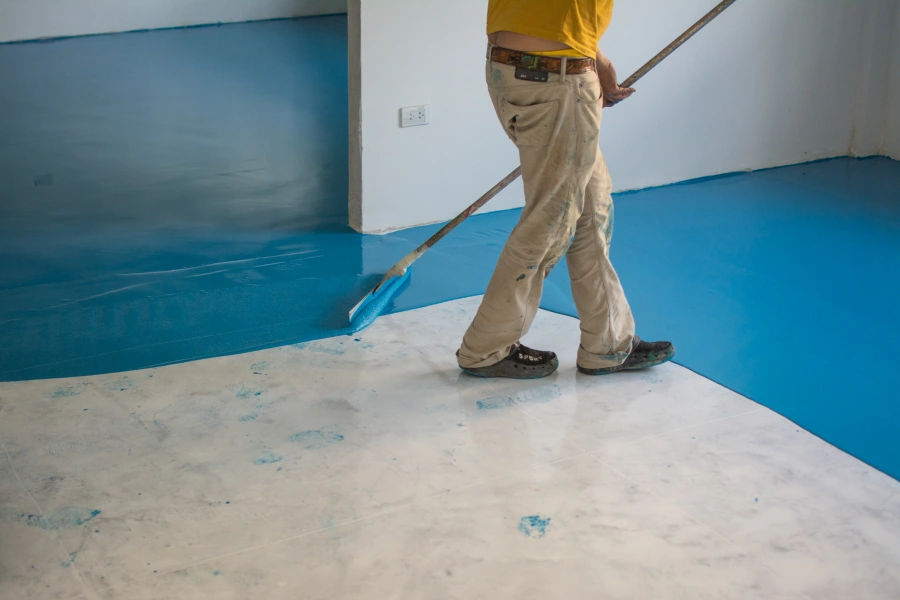
Steps to Install Epoxy Flooring
- Prepare the Concrete Surface: Clean thoroughly to remove grease and oil.
- Mix the Epoxy Resin: Follow instructions for precise ratios.
- Apply Base Coat Evenly: Use rollers for smooth application.
- Add Decorative Flakes (Optional): Sprinkle while the base coat is wet.
- Seal with Topcoat: Protects against damage and enhances durability.
Understanding Cost Factors
Several factors influence the cost of installing epoxy floors in homes. These include the size of the area, type of epoxy used, and any additional features such as decorative flakes or anti-slip treatments. While initial costs may vary, it’s important to consider the long-term savings due to reduced maintenance needs and increased durability over alternatives like carpet or tile. Investing in quality materials ensures value for money.
Your Expert Guide to Durable Flooring
Epoxy floors handle daily residential foot traffic impressively well due to their strength and resilience. They combine aesthetics with practicality, offering an enduring solution for busy households. If you’re interested in upgrading your home’s flooring, reach out to CM Epoxy Floors at (323) 689-6255. Located in Inglewood, CA, we specialize in providing top-quality installations that enhance both function and style. Trust us to bring lasting beauty and performance to your living space.